How a TRT Clinic in La Jolla Can Help Restore Vitality

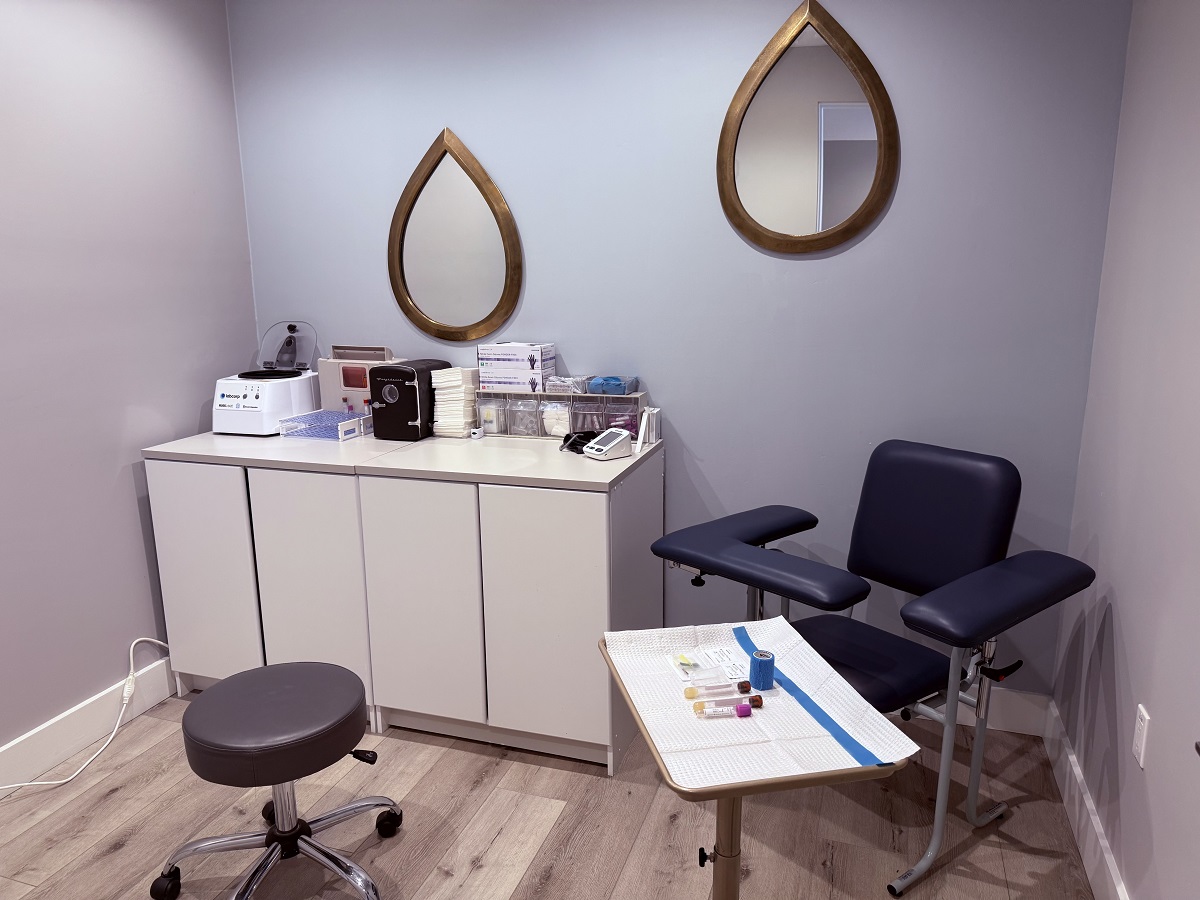

Feeling worn down is easy to dismiss at first. A little less drive at the gym, more brain fog in the afternoon, lower libido, poorer sleep, slower recovery after workouts, a shorter fuse at home. Many men chalk it up to stress, age, or a rough stretch at work. Sometimes that is exactly what it is. Sometimes, though, the problem runs deeper, and low testosterone is part of the picture.
That is where a well run TRT clinic in La Jolla can make a meaningful difference. The goal is not to chase some exaggerated version of masculinity or to promise instant transformation. Good testosterone replacement therapy is measured, medical, and highly individualized. At its best, it helps men who are genuinely deficient regain energy, mental sharpness, sexual health, and physical resilience that had slowly slipped away.
La Jolla is a place where health and performance tend to matter. People here hike, surf, train, work long hours, and often expect a lot from themselves. That can make it harder to notice when hormones are contributing to a decline, because fatigue can be blamed on a demanding schedule or a packed calendar. A careful evaluation at a TRT clinic can separate ordinary burnout from a true hormonal issue and, just as important, identify when testosterone is not the right answer.
When “just getting older” deserves a closer look
Most men do not wake up one morning and realize their hormone levels have dropped. The change is often gradual. A patient might say he has not felt quite right for two years. He is still functioning, still working, still showing up, but everything feels heavier than it used to. Motivation dips. Body composition changes despite no major shift in diet. Muscle mass is harder to maintain. Recovery after exercise stretches from one day to three. Sex drive fades enough to create friction in a relationship, or confidence takes a hit because erections are less reliable than they were.
Those symptoms can overlap with poor sleep, depression, excessive alcohol use, thyroid disorders, insulin resistance, medication side effects, or chronic stress. That is one reason reputable clinics do not diagnose low testosterone from a symptom checklist alone. They combine symptoms with lab testing, medical history, and a broader view of health.
Men are often surprised to learn that a total testosterone number by itself does not tell the whole story. Timing matters, because testosterone tends to be highest in the morning. Free testosterone can matter, especially when symptoms are strong but total levels are borderline. Other labs may be necessary to understand why levels are low and whether treatment is appropriate. Estrogen markers, blood count, PSA in the right clinical context, thyroid studies, metabolic markers, luteinizing hormone, and follicle stimulating hormone can all play a role in careful assessment.
A good clinic is not looking for a quick prescription. It is looking for clarity.
What a quality TRT clinic actually does
There is a world of difference between casual hormone marketing and actual medical care. The better TRT clinics start with the simple question many men have not had answered elsewhere: what is causing the decline in how you feel?
That usually means a detailed intake. Not just a five minute conversation about libido, but a real review of sleep quality, body composition changes, fertility goals, training habits, alcohol intake, medications, mood, work stress, and cardiovascular risk factors. It also means talking openly about expectations. If someone is hoping testosterone will erase poor sleep, fix a chaotic diet, and compensate for six drinks every night, that conversation needs to happen before any treatment begins.
A strong clinic also looks at whether the patient is even a candidate. Men who want future fertility need special consideration, because TRT can suppress sperm production. Men with untreated sleep apnea need that addressed. Men with certain blood disorders or unstable cardiovascular issues may need additional evaluation. These are not side notes. They are central to safe care.
In practical terms, a TRT clinic in La Jolla should help a patient move through three stages with confidence: diagnosis, treatment planning, and monitoring. Each one matters. Skip the first and the diagnosis may be wrong. Rush the second and the dose may be poorly matched. Neglect the third and side effects or suboptimal results can go unnoticed for months.
Why men often seek care in La Jolla
There is a particular patient profile that shows up frequently in coastal Southern California clinics. It is not only older men. It includes professionals in their late thirties and forties who still look healthy on the surface but feel flat, less resilient, and less engaged than they used to. It includes active men whose training has stopped producing the same return. It includes fathers trying to keep up with work and family while carrying chronic fatigue they cannot seem to shake.
In a place like La Jolla, people often have access to good primary care, but not every primary care office has the time or specialization to do a deep dive on hormone optimization. Some physicians are excellent with TRT. Others are more cautious or simply focused on broader issues first. A specialty clinic can fill that gap, provided it stays grounded in evidence and does not turn every low energy complaint into a hormone diagnosis.
The setting matters less than the standard of care, but patients often value clinics that understand both wellness and medicine. They want someone who can speak to symptoms in real life, not just to a lab report. They also want convenience, privacy, and follow up that does not feel fragmented. Those details affect whether treatment is managed well over the long term.
What treatment can improve, and what it cannot
Men often ask how quickly they will feel better. The honest answer is that improvement tends to unfold in layers. Some notice better mental clarity or mood within a few weeks. trt clinic La Jolla Libido may improve earlier than changes in body composition. Strength, lean mass, and fat loss can take longer and usually depend on training, diet, sleep, and consistency. It is common for the first two to three months to involve some adjustment while the dose is fine tuned and the body settles into a new range.
The changes that matter most are often not dramatic from the outside. One patient may say he no longer needs a nap every afternoon. Another may notice he is present with his partner again. Someone else realizes his workouts finally feel productive instead of punishing. The best outcomes are not theatrical. They are steady and functional.
At the same time, TRT is not a cure all. It will not repair a failing marriage, erase depression caused by unresolved trauma, or substitute for sleep. It will not make every man shredded, euphoric, and hyperproductive. Clinics that promise that kind of result are usually selling fantasy rather than care.
There is also variation in response. Two men with similar lab values may feel very different on similar protocols. One may thrive on a modest dose. Another may need a longer period of adjustment or changes in administration schedule. Medicine is rarely one size fits all, and hormone care is no exception.
The importance of delivery method and dosing strategy
One of the most misunderstood parts of TRT is how much the delivery method affects the experience. Injections are common because they are effective, widely used, and often cost efficient. Some men do well with weekly dosing. Others feel more stable with smaller, more frequent injections. Gels and creams can be attractive for men who dislike needles, though absorption can vary and there is a risk of transferring medication through skin contact if precautions are not followed. Pellets exist as another option, but they are less flexible once placed.
The right method depends on more than preference. Lifestyle, travel schedule, skin sensitivity, cost, response pattern, and the need for dose flexibility all matter. A clinic that listens will not push every patient into the same protocol.
Dosing also deserves respect. More is not better. That is one of the easiest traps in testosterone therapy. Men sometimes arrive after seeing online discussions that glorify high levels and aggressive regimens. The reality is that excessive dosing can lead to problems such as elevated hematocrit, acne, mood volatility, water retention, breast tissue symptoms, or simply feeling off. Good clinicians aim for symptom relief and physiologic balance, not inflated numbers for bragging rights.
Monitoring is where good care proves itself
Starting TRT is easy. Managing it well over time is the real work.
A serious clinic follows symptoms and labs at appropriate intervals, especially early in treatment. That usually includes checking testosterone levels, blood count, and other markers based on the patient’s age, risk profile, and history. If hematocrit climbs too high, that requires attention. If estradiol related symptoms emerge, they need interpretation, not panic. If libido improves but sleep worsens, that should prompt a broader look rather than a reflexive dose increase.
This is where many patients discover the value of a specialist. Fine tuning treatment can be subtle. Sometimes the answer is lowering the dose, not raising it. Sometimes the issue is poor sleep, untreated sleep apnea, or high stress rather than inadequate testosterone. Sometimes a man who expected a major change from TRT turns out to have insulin resistance, heavy alcohol use, or an overreaching training program as the more important driver of his fatigue.
The clinics that get the best long term outcomes tend to educate patients instead of simply dispensing medication. They explain why monitoring matters, what warning signs to watch for, and how lifestyle and hormones interact. That education helps men become better judges of their own progress and keeps expectations anchored in reality.
Fertility, family planning, and the conversation many men miss
This topic deserves more attention than it usually gets. A man in his thirties may seek TRT because he is exhausted, gaining fat, and losing sex drive. If he has not yet started or completed his family, that visit needs to include a clear discussion about fertility. Testosterone replacement can lower intratesticular testosterone and significantly reduce sperm production. In some men, that suppression is profound.
That does not always mean treatment is off the table. It means the plan has to be smarter. In some cases, alternative therapies may be considered. In others, fertility preserving strategies may be discussed. What matters is that the patient understands the trade off before treatment begins, not months later after trying unsuccessfully to conceive.
A clinic that handles this conversation well demonstrates maturity and medical seriousness. It is one of the clearest ways to tell whether a practice is treating the whole patient or only chasing a transaction.
The emotional side of low testosterone is real
Many men come in expecting to talk about muscle, weight, or libido, then quietly admit that the hardest part has been the way they no longer feel like themselves. They are less patient, less confident, less motivated. They know something is off, but because the symptoms are not dramatic enough to stop daily life, they keep pushing through.
This matters. Hormonal decline can affect identity as much as physical function. A man who used to be sharp, steady, and engaged may feel frustrated by his own flatness. That can alter relationships, work performance, and self respect. When treatment is appropriate and well managed, the improvement in emotional steadiness can be just as important as any change in body composition.
Still, a responsible clinician will not pretend every mood issue is hormonal. Depression and anxiety deserve proper evaluation. Therapy may be needed. Sleep disorders may need treatment. Medication side effects can be part of the picture. Good care leaves room for complexity.
How to judge whether a clinic is worth your trust
Patients often ask what separates a reputable clinic from a sales operation. The answer is not slick branding or promises about optimization. It is how the clinic behaves when the case is not straightforward.
A trustworthy practice takes time with the workup, discusses risks plainly, and does not rush treatment before adequate labs are reviewed. It asks about fertility goals. It monitors consistently. It explains why the protocol chosen fits the patient. It is willing to say no when testosterone is not indicated.
If you are evaluating a TRT clinic in La Jolla, pay attention to the tone of the consultation. Does it feel like medicine or marketing? Are side effects treated as real issues or brushed aside? Does the clinician ask thoughtful questions about sleep, stress, and alcohol use? Is follow up built into the plan, or is the focus entirely on getting started?
These are not minor details. They tell you whether the clinic expects to manage your health over time or simply sell you a service.
Common misconceptions that deserve correction
Some men delay care because they assume testosterone therapy is only for much older patients. Others avoid it because they think it is inherently unsafe. Neither view is accurate in a blanket sense. Appropriate treatment in a properly selected patient is very different from unsupervised hormone use or performance enhancement practices.
Another misconception is that lab values alone should determine treatment. Symptoms matter. Timing of blood work matters. The cause of low levels matters. A single low reading during illness, poor sleep, or extreme stress may not tell the full story. On the other hand, men with repeatedly low or borderline values plus clear symptoms should not be dismissed without careful review.
There is also a tendency to frame TRT as either a miracle or a mistake. Real medicine usually lives in the middle. For the right patient, testosterone therapy can be life changing in a grounded, practical way. For the wrong patient, it can distract from the true cause of the problem or create unnecessary complications.
Vitality is not just a hormone level
The word vitality gets used loosely, but most men know exactly what it means when they have lost it. It is not six pack abs or constant intensity. It is waking with energy. It is a body that responds when you train it. It is a sex drive that feels natural, not forced. It is stable mood, clearer thinking, and the sense that you are participating in your life rather than dragging yourself through it.
A high quality TRT clinic can help restore that when low testosterone is part of the problem. The key phrase is part of the problem. Hormones sit inside a larger system that includes sleep, nutrition, recovery, stress, relationships, alcohol use, and metabolic health. The best clinics understand that and treat testosterone as one tool, not the whole toolbox.
That is why the right evaluation can be so useful even for men who ultimately do not start TRT. Sometimes the workup points elsewhere and reveals what actually needs attention. That alone can be valuable. It replaces vague frustration with a plan.
For men in La Jolla who feel they have been running below their normal for too long, it may be worth asking harder questions instead of accepting the decline as inevitable. A thoughtful clinic can help determine whether testosterone deficiency is involved, whether treatment makes sense, and how to approach it with care. When done well, the result is not hype. It is the quieter, more meaningful return of stamina, confidence, and capacity that many men feared was gone for good.
SDBody La Jolla
7710 Fay Ave, La Jolla, CA 92037
+1 858-401-2383
FAQ About trt clinic La Jolla
How much should my TRT cost?
TRT costs depend on the clinical evaluation, medication, laboratory testing, and follow-up plan. Ask for an itemized estimate that includes the initial visit and ongoing monitoring. SDBody La Jolla can explain its current fees after discussing the services being considered.
Will Insurance Pay for TRT in La Jolla?
Coverage depends on your plan, diagnosis, prescribed treatment, and provider network. Ask your insurer about medical necessity requirements, prior authorization, laboratory coverage, and out-of-pocket costs. Confirm SDBody La Jolla's billing arrangements directly; insurance payment is not guaranteed.
Is TRT safer than steroids?
Testosterone is itself an anabolic steroid. Clinician-prescribed replacement for confirmed testosterone deficiency differs from nonmedical steroid use, but it still carries risks and requires monitoring. Possible concerns include increased red blood cell levels and reduced sperm production. Discuss your medical history and fertility goals with a qualified clinician before considering treatment.